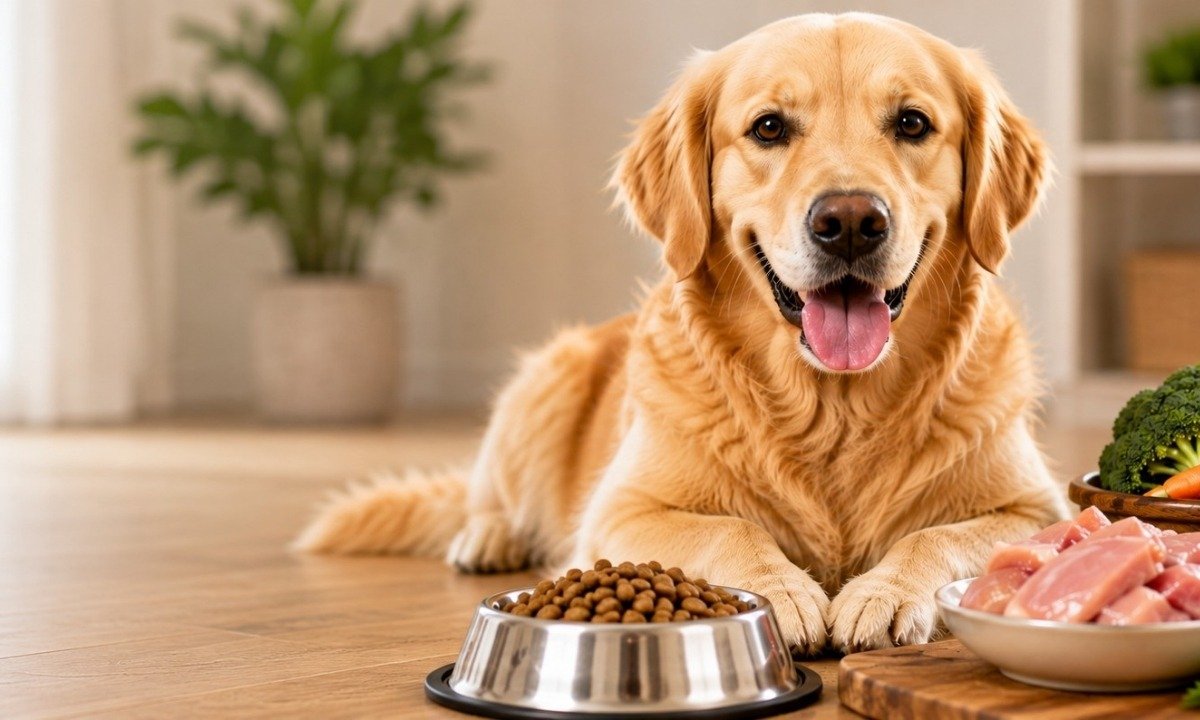
Pet nutrition counselling can help address changing dietary needs, weight concerns, digestive issues, and feeding questions at every life stage.

Pet nutrition counselling can help address changing dietary needs, weight concerns, digestive issues, and feeding questions at every life stage.
Leptospirosis is a bacterial infection that dogs can pick up from water or soil contaminated by the urine of infected wildlife such as raccoons, skunks, and rodents. City dogs are exposed through puddles, standing water, and shared green spaces. Watch for lethargy, vomiting, fever, and increased thirst, and ask your veterinarian about lifestyle-based vaccination. What… Continue reading Leptospirosis in Dogs: What East Vancouver Owners Should Know
Dreading nail trims? Learn how often pets need them, how to trim safely, and how to care for your dog or cat paws.
When your veterinarian recommends diagnostic testing for your dog or cat, it can feel overwhelming if you are not sure what to expect. For pet owners in Renfrew-Collingwood, Hastings-Sunrise, Grandview-Woodland, and the broader East Vancouver community, understanding what diagnostics involve, why they matter, and how results guide your pet’s care plan can make the experience… Continue reading Understanding Veterinary Diagnostics for Dogs and Cats in East Vancouver
As dogs and cats enter their senior years, their health needs change in ways that are not always obvious at first. For pet owners living in Renfrew-Collingwood, Hastings-Sunrise, and the neighbourhoods surrounding Trout Lake, understanding these changes helps you provide the best possible quality of life for your aging companion. Senior pet wellness care involves… Continue reading Senior Dog and Cat Care in Renfrew-Collingwood and East Vancouver
There are many types of mites that infect dogs, cats, and other animals. Mites are microscopic arthropod parasites that, for the most part, infect the skin or mucous membranes. Mites can even be present on birds and reptiles. The most common mites that infect dogs and cats are ear mites, Demodex, scabies, and Cheyletiella. Ear… Continue reading Mites
Luxating patella is a condition where the kneecap (patella) moves out of its normal position. Luxating patella is one of the most common knee joint abnormalities of dogs, but it is only occasionally seen in cats. It may affect one or both of the knees. In some cases it moves (luxates) towards the inside of… Continue reading Luxating Patella
The rupture of the cruciate ligament is the most common knee injury in the dog. This injury has two common presentations. One is the young athletic dog playing roughly who acutely ruptures the ligament and is non-weight bearing on the affected hind leg. The second presentation is the older, overweight dog with weakened or partially torn ligaments… Continue reading Ruptured Anterior Cruciate Ligament (ACL)
Bloat and gastric torsion is a serious condition and your pet should be rushed to the urgent room if this occurs. Certain breeds of dogs with deep chests and narrow waists, such as hounds, bouvier des Flandres, or doberman pinschers are more susceptible to a syndrome of gastric torsion and bloat. This occurs when the… Continue reading Bloat And Gastric Torsion
Vertigo is a syndrome in the elderly dog, which can be very frightening to the owners. The dog is suddenly afflicted with a balance problem, usually staggering, but occasionally unable to stand, and more rarely actually rolling over and over. There is a tilting of the head to one side and nystagmus, a rhythmic flicking… Continue reading Vertigo Or Old Dog Vestibular Syndrome